



This simple homemade glass cleaner is affordable, effective, and free from harsh chemicals. With just two pantry ingredients and water, you can whip it up in under 2 minutes and enjoy streak-free shine on windows, mirrors, and glass surfaces. Once you see how well it works, you’ll never feel the need to buy a store-bought spray again!

I’ve tried just about everything to keep my mirrors, windows and glass streak-free, but time and time again I come back to this simple homemade glass cleaner. It’s made from pantry staples, costs just cents to put together, and works better than anything I’ve ever bought from the store.
Commercial cleaners often come with strong chemical smells that make me cough and sting my nose, and I don’t want that in my home. Over the years, I’ve found that natural cleaning is not only healthier but also gentler on the budget. I keep a handful of homemade cleaners on rotation, including this glass spray and my all-purpose cleaning spray, which I use on countertops, sinks, and in the bathroom.
This vinegar-based glass cleaner has become a part of my weekly routine, whether I’m wiping down the bathroom mirror, freshening the windows, or polishing the glass cabinet doors.
As an Amazon Associate, I earn from qualifying purchases. Read my full disclosure here.
Why Make Your Own Glass Cleaner?
Homemakers and homesteaders have always relied on simple ingredients to keep their homes clean, and there’s good reason for it.
- Safe and natural: No toxic fumes or harsh residues. You know exactly what’s in it.
- Frugal and reliable: Vinegar and Castile soap are cost-effective and long-lasting.
- Quick to whip up: Less than 2 minutes, and you’ve got a spray bottle ready to go.
- Tried and true: This isn’t a modern fad. Vinegar has been trusted for generations to cut through grease and leave glass shining.
I believe if something works well, saves money, and doesn’t harm your health, then why overcomplicate it? If you’re interested in swapping out more of your store-bought products, my natural cleaning guide is a great place to start. It walks you through the basics so you can feel confident making your own cleaners.
Tips From My Own Cleaning Routine
- Use glass bottles if you’re adding essential oils. Oils can degrade plastic over time.
- Don’t use vinegar on natural stone. Keep it away from granite, marble, or limestone as it can etch the surface.
- Work in the shade. When cleaning windows outside, avoid direct sunlight, as it can cause the solution to dry too quickly and leave streaks.
- Keep a basket of tools handy. I have a little caddy with my spray bottle, a couple of old cotton rags, and my squeegee. It makes the job quicker and less fussy.
Helpful Supplies

Lemon, Lavender & Peppermint Essential Oils
Buy Now →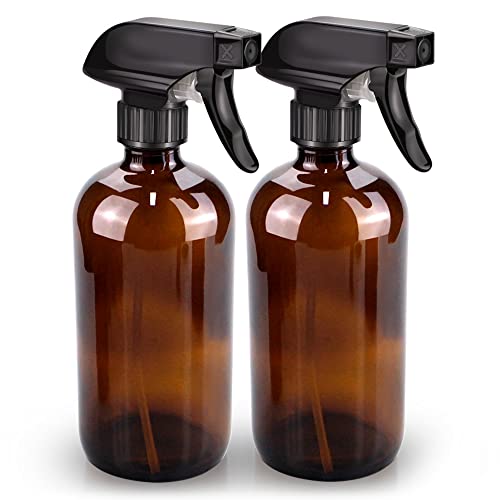 Buy Now →
  Buy Now →
 Homemade Glass Cleaner Recipe
Here’s the recipe I’ve been using for years:
Ingredients
- 1 cup warm water
- 1 cup white distilled vinegar
- ½ teaspoon Castile soap (or dishwashing liquid if that’s what you have)
- Optional: 2-3 drops essential oils (see details below)
- Combine the water and vinegar in a spray bottle.
- Add the Castile soap and shake gently to mix.
- Add a few drops of essential oil if using.
- Spray directly onto glass and wipe with a lint-free cloth, microfibre cloth, or crumpled newspaper (the old-fashioned trick that still works beautifully).
For large outdoor windows, I like to triple the recipe in a bucket and use a squeegee for quicker work.

Boost Your Cleaner with Essential Oils
Add 2-3 drops of your chosen essential oil into the mixture for fragrance and enhanced cleaning properties.
- Rosemary Essential Oil: Known for its antibacterial properties, rosemary essential oil can boost the cleaning power of your window cleaner and leave a pleasant, refreshing scent.
- Lemon Essential Oil: Add a few drops of lemon essential oil for a clean and fresh scent. Lemon oil is antiseptic and antiviral, making it ideal for use in cleaning solutions.
- Peppermint Essential Oil: For a minty and invigorating aroma, try adding peppermint essential oil. It’s antibacterial, antifungal, antiviral, and antiseptic, making it an excellent choice for cleaning.
- Tea Tree Essential Oil: Do you have mould growing? Add 10 drops of tea tree oil to the mix to help kill mould spores. Tea trees’ anti-fungal properties will help clean mould and mildew.
A Note on Vinegar
You’ll see both “cleaning vinegar” and “white distilled vinegar” at the shops. Both will work for this recipe.
- White vinegar (5% acidity): Commonly used in cooking and general cleaning.
- Cleaning vinegar (6–10% acidity): Slightly stronger and works faster on tough spots, such as soap scum or mineral deposits.
Use whichever you have on hand. I usually stick with plain white vinegar since it’s inexpensive and I always keep it stocked in the pantry for pickling and preserving. It’s one of those ingredients that does it all, cooking, preserving, and cleaning. If you’re curious, here are 29 uses for vinegar that I think every homemaker should know.

Why This Old-Fashioned Method Still Works
Homemakers and homesteaders before us didn’t have bottles of commercial sprays promising streak-free shine. They relied on simple, natural ingredients that did the job well, and many of those same recipes still hold up today. Vinegar cuts through grease and grime, water dilutes it so it’s not overpowering, and a touch of soap helps lift away stubborn spots. It’s all you really need.
I love knowing that when I clean my glass with this solution, I’m not spraying chemicals into the air or leaving residue behind. Just a clear, sparkling finish that makes the whole room feel brighter.
Homemade Glass Cleaner
This simple homemade glass cleaner is affordable, effective, and free from harsh chemicals. With just two pantry ingredients and water, you can whip it up in under 2 minutes and enjoy streak-free shine on windows, mirrors, and glass surfaces. Once you see how well it works, you’ll never feel the need to buy a store-bought spray again!
Materials
- 1 cup warm water
- 1 cup white distilled vinegar
- ½ teaspoon Castile soap (or dishwashing liquid if that’s what you have)
- Optional: 2-3 drops essential oils (see details below)
Tools
- Spray bottle
- Microfibre cloth
Instructions
- Combine the water and vinegar in a spray bottle.
- Add the Castile soap and shake gently to mix.
- Add a few drops of essential oil if using.
- Spray directly onto glass and wipe with a lint-free cloth, microfibre cloth, or crumpled newspaper (the old-fashioned trick that still works beautifully).
Notes
Boost Your Cleaner with Essential Oils
Add 2-3 drops of your chosen essential oil into the mixture for fragrance and enhanced cleaning properties.
- Rosemary Essential Oil: Known for its antibacterial properties, rosemary essential oil can boost the cleaning power of your window cleaner and leave a pleasant, refreshing scent.
- Lemon Essential Oil: Add a few drops of lemon essential oil for a clean and fresh scent. Lemon oil is antiseptic and antiviral, making it ideal for use in cleaning solutions.
- Peppermint Essential Oil: For a minty and invigorating aroma, try adding peppermint essential oil. It's antibacterial, antifungal, antiviral, and antiseptic, making it an excellent choice for cleaning.
- Tea Tree Essential Oil: Do you have mould growing? Add 10 drops of tea tree oil to the mix to help kill mould spores. Tea trees’ anti-fungal properties will help clean mould and mildew.
Homemade Glass Cleaner Tips
- Use glass bottles if you’re adding essential oils. Oils can degrade plastic over time.
- Don’t use vinegar on natural stone. Keep it away from granite, marble, or limestone as it can etch the surface.
- Work in the shade. When cleaning windows outside, avoid direct sunlight, as it can cause the solution to dry too quickly and leave streaks.
- Keep a basket of tools handy. I have a little caddy with my spray bottle, a couple of old cotton rags, and my squeegee. It makes the job quicker and less fussy.


Good morning! I have clicked on the “print” button but there is an error message. Will you please correct? Thank you!