



Homemaking has changed so much over the years, yet at its heart, it’s still about creating a home where people feel cared for, nourished, and welcome. If you’re new to homemaking, it can feel overwhelming – there’s laundry to stay on top of, meals to cook, cleaning routines to figure out, and somehow you’re meant to make it all look easy.
But here’s the truth: homemaking isn’t about perfection. It’s about building habits that make life easier, creating rhythms that work for your household, and adding little touches that make your home a place of peace and joy. Anyone can learn to be a homemaker, one step at a time.

This guide is here to give you the foundations. Think of it as a friendly starting point to help you find your feet.
As an Amazon Associate, I earn from qualifying purchases. Read my full disclosure here.
What Homemaking Means Today
When people hear the word “homemaker,” they often imagine a 1950s housewife in pearls and heels scrubbing the kitchen floor. But modern homemaking looks very different.
Homemaking today is about caring for your home and family in a way that fits into your life. You might be working full-time, raising kids, studying, or balancing a side hustle.
Your home doesn’t need to look like a glossy magazine spread. It just needs to feel lived in, loved, and cared for. It’s about weaving old traditions with modern life. If that idea inspires you, you’ll love my post on embracing old fashioned homemaking in a modern world.
Homemaking is:
- Keeping routines that stop the house from spiralling into chaos.
- Feeding yourself and your family nourishing meals (even if it’s just simple soups or one-pot dinners most nights).
- Creating a space that feels safe and welcoming.
- Making your home reflect your values, whether that’s frugality, sustainability, or comfort.
The Homemaker Mindset
Homemaking is a skill you build, not something you’re instantly good at. Adopting the right mindset makes all the difference:
- Progress, not perfection. A cared-for home is better than a spotless one you’re too stressed to enjoy.
- Small steps matter. A 10-minute tidy-up each day prevents overwhelm later.
- Your home, your rules. Don’t measure yourself against Pinterest-perfect houses. Also, stop comparing your life to other people’s on Instagram. This is a friendly reminder that Ballerina Farm is not real life!
- Consistency wins. Repeated small habits (like always doing the dishes before bed) free up mental space.
- Get dressed every day. Some days, motivation starts with simply getting dressed. Putting on a fresh outfit can change your whole mindset. Discover the power of dressing for success in homemaking.
Homemaking Foundations Every Beginner Needs
These are the core areas that make the biggest difference. Focus on these first, and you’ll feel more confident in your homemaking role.
1. Cleaning Basics
You don’t need a cupboard full of products, just a few essentials that work well:
- A steam mop for quick, chemical-free floor cleaning.
- A vacuum cleaner that actually suits your flooring.
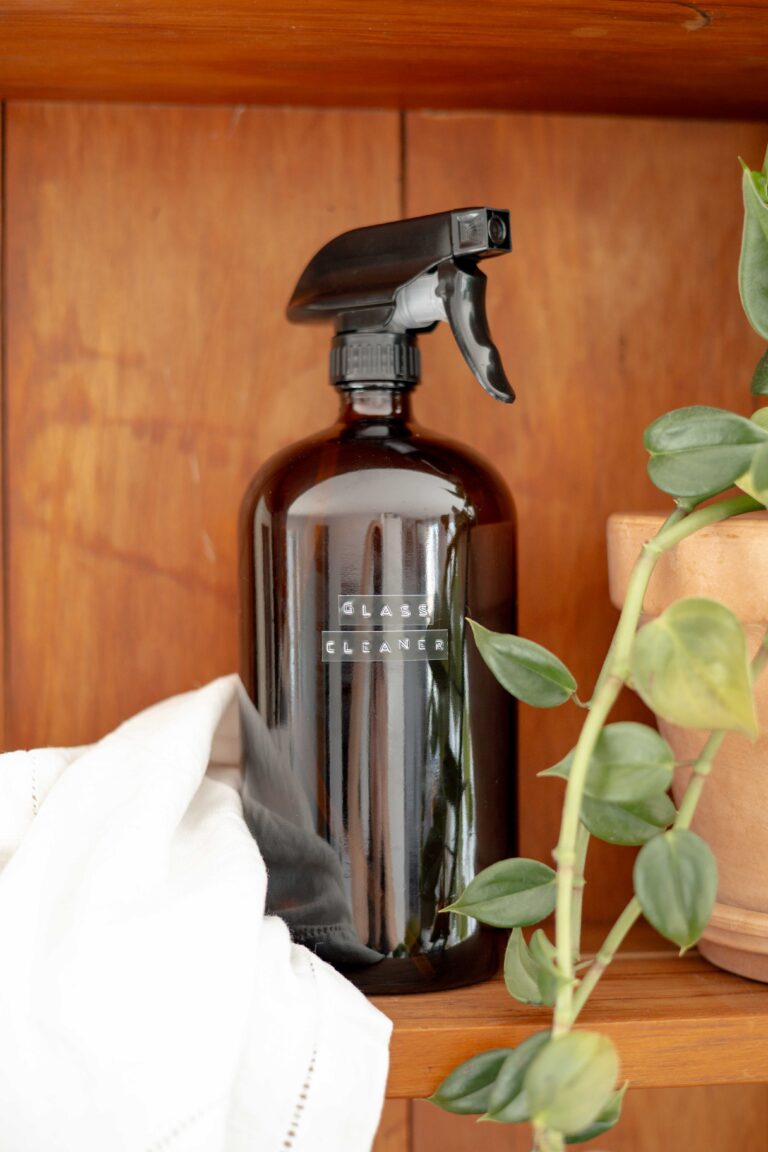
- Microfibre cloths for glass and mirrors.
- All-purpose cleaner (homemade sprays with vinegar or Castile soap work wonders).
- A simple cleaning caddy to carry your supplies around.
Begin with daily tasks, such as dishes and a quick floor sweep, and then add weekly chores like bathroom cleaning, laundry catch-up, and dusting. Monthly, tackle deeper jobs like windows or the fridge.
Learn more in my guide: Natural Cleaning Made Simple: What Every Beginner Should Know.
2. Laundry Made Simple
Laundry doesn’t need to feel endless. The trick is finding a rhythm:
- Pick one or two set days for washing.
- Fold and put away straight away because we all know that clothes in baskets quickly become overwhelming.
- Teach family members to help with sorting and putting away.
A small, consistent routine is better than letting it pile up.

3. Cooking & Pantry Basics
Cooking at home is one of the most important homemaking skills. You don’t need to be a gourmet chef…just master a handful of easy, budget-friendly meals.
Start with:
- Soups and stews (hearty, cheap, filling).
- Roasts or sheet pan meals.
- Pasta dishes and one-pot dinners.
- Baking simple things like banana bread or muffins.
Keep your pantry stocked with staples like flour, rice, pasta, beans, canned tomatoes, and broth. With these, you can whip up meals even when the fridge looks bare. Check out my simple, easy and affordable recipes to get started.
A well-stocked pantry is the backbone of simple home cooking. If you’re not sure where to begin, I’ve created 5 simple steps for stocking your pantry on a budget to help you get started.
4. Tidying & Organising
Clutter steals time and energy. The more you simplify, the easier homemaking becomes. If you’re curious about what this looks like in practice, I share my tips for living with Less as a homemaker.
The secret is staying ahead of it with resets:
- Daily reset: Before bed, spend 10 minutes putting things back.
- Room-by-room approach: Focus on one space at a time.
- Declutter often: Keep only what you use and love because, believe it or not, clutter steals time and energy.
Storage baskets, drawer organisers, and simple labels make a huge difference in keeping small spaces neat.
5. Budgeting Basics
Homemaking often means stretching your budget. Some simple habits:
- Plan meals before you shop.
- Cook from scratch where possible.
- Use what you have. Leftovers can become soups, frittatas, or casseroles.
- Buy cleaning staples (like vinegar, baking soda, Castile soap) instead of expensive sprays.
Frugality isn’t about going without. It’s about using resources wisely. If you’re looking for a step-by-step plan, check out my post on practical budgeting advice for homemakers.
Part of budgeting well is planning for the unexpected. I share practical, old-fashioned wisdom on how to start preparing for hard times (before they happen).

Creating a Homemaking Routine
Routines are the backbone of homemaking. They take away decision fatigue and keep life flowing. Giving each task its own day makes homemaking feel far less overwhelming. If you’d like a full walkthrough, take a look at
Here’s a sample daily rhythm:
- Morning: Make beds, workout, get dressed, eat breakfast, start laundry.
- Midday: Quick kitchen tidy, wipe bathroom counters, sweep high-traffic areas.
- Evening: Do the dishes, reset the living room, and lay out clothes for tomorrow.
The way you start your morning sets the tone for your whole day. If you’d like more inspiration, I share simple examples in my guide to homemaking morning routines.
Weekly rhythm idea:
- Monday: Laundry catch-up
- Tuesday: Bathroom clean
- Wednesday: Dust & vacuum
- Thursday: Kitchen deep clean
- Friday: Laundry & tidy bedrooms
- Saturday: Errands & meal prep
- Sunday: Rest & reset
Giving each task its own day makes homemaking feel far less overwhelming. If you’d like a full walkthrough, take a look at how to create a weekly homemaking routine.
Building a Home Atmosphere
A cared-for home isn’t just tidy, it feels cosy and welcoming. Here are simple ways to create atmosphere:
- Lighting: swap harsh lights for warm lamps or candles.
- Scent: simmer spices on the stove or use natural essential oil sprays and diffusers.
- Music: soft background music can instantly shift the mood. I love jazz or lo-fi beats.
- Nature: fresh flowers or a simple plant bring life to any space.
And don’t forget the seasons! A vase of spring flowers, autumn pumpkins, or winter fairy lights makes your home feel alive and in tune with the year.

Practical Homemaking Skills to Learn Early
If you want to feel confident in your role, these skills will pay off:
- Meal planning: saves money and stress.
- Basic sewing & mending: fix a button or hem instead of replacing clothes.
- Cooking from scratch: bread, broths, and sauces are great starting points.
- Natural cleaning: homemade sprays, scrubs, and laundry detergent.
- Hosting: keep it simple: a pot of soup and bread is enough to welcome guests.
If you’re wondering which skills are most worth learning and how to get started, I’ve rounded them up in 10 steps to becoming a frugal homemaker.
Staying Motivated
Some days, homemaking feels never-ending. Here’s what helps me:
- Remember the why: you’re creating a home that nurtures.
- Treat homemaking as self-care – light a candle, put on music, and enjoy the task.
- Keep it realistic. Perfection isn’t the goal – comfort is.
- Find community: read homemaking blogs (oh hey 😉 ), join forums, or share routines with friends.
Common Beginner Struggles (and How to Solve Them)
- Overwhelm → Start with one room or a 15-minute timer.
- Messy family → Make simple systems (a basket for each person’s clutter).
- No time → Build micro-routines (wipe the sink while brushing teeth).
- Small budget → Cook from scratch, thrift, DIY cleaners, and reuse. Be frugal 🙂
Your Next Steps in Homemaking
Homemaking is never finished – it’s a journey that shifts with your seasons of life. Start small, celebrate progress, and remember that your home is meant to serve you, not the other way around.
If you’d like more help, here’s what to do next:
- Read my helpful posts linked throughout this blog to help you get started. They are all filled with so many helpful tips, and some include free printables!
- Put these tips into action. It’s great to learn things, but putting them into action is the best way to learn, in my opinion.
- Subscribe to my newsletter for seasonal homemaking tips, recipes, and encouragement.
Homemaking doesn’t have to be complicated. You just need the right starting point. And you’ve got this.
Love,





I love how genuine this is. You can tell this came from the bottom of your heart and man is it helpful AND inspiring!
Thank you Mariana. I’m so pleased you love this. Happy homemaking x
Such a great post! Little tidbits of knowledge and wisdom for homemakers at every stage of life, love that. BUT especially helpful for young women who are new to homemaking. Thanks for sharing 😉
Thank you so much Diane! I’m so pleased you enjoyed this post. Happy homemaking x
It’s sad they don’t teach Home Economics in school any more. These are all useful skills for girls and boys. I hope at some point, they bring it back. Shop Class, too, as a matter of fact. Loved the article.
Hi Angela, it is very sad! We live in a different world now where paying someone to do a job for us is the norm. It is nice to see more people wanting to learn these skills again and gain some independence back in their lives. Thank you for your wonderful comment xx
You offer wonderful hints, tips and routines. What really caught my eye was the beautiful, relaxed, stepping-back-in time pictures. Your blog feels like a friend next door.
Thank you Linda! That’s so kind. Thanks for being here 🙂